
Identity Theft Is on the Rise: 10 Ways to Protect Yourself From Scammers
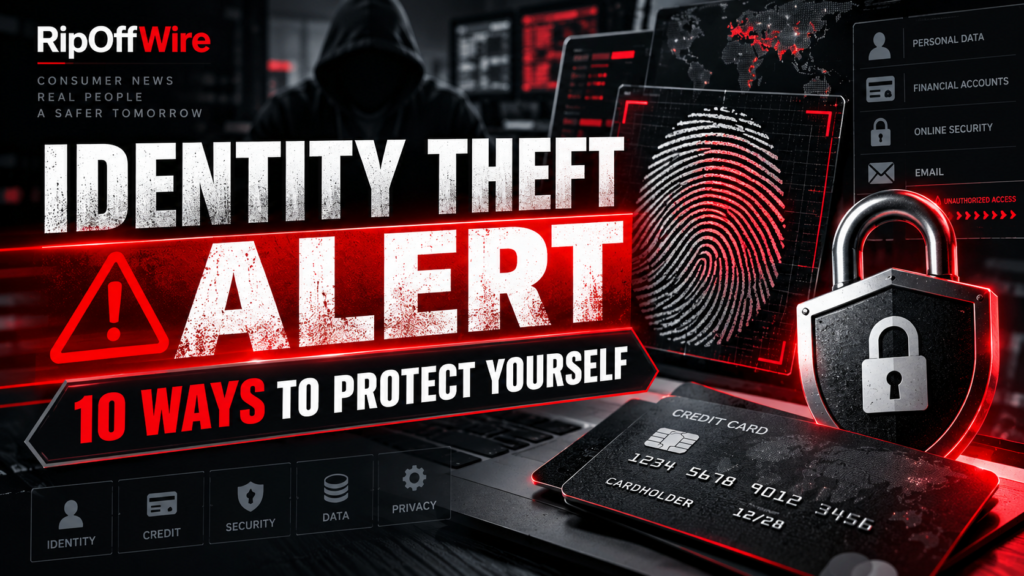
Identity thieves are using stolen personal information to open fraudulent accounts, steal money, access financial records, and impersonate unsuspecting consumers. Here are 10 steps you can take to protect yourself.
Identity theft remains a serious problem across the United States. According to the Federal Trade Commission (FTC), more than one million people reported identity theft in 2025.
Criminals can obtain personal information through data breaches, phishing emails, fraudulent websites, stolen mail, and social media scams.
Once someone gets access to your Social Security number, banking information, or online accounts, the consequences can include unauthorized purchases, damaged credit, and fraudulent loans.
The good news? There are practical steps you can take to reduce your risk.
🔒 10 Tips to Protect Yourself From Identity Theft
1. Freeze Your Credit
One of the strongest protections is a free credit freeze with Equifax, Experian, and TransUnion. A freeze makes it much harder for criminals to open new credit accounts using your identity. It doesn’t affect your credit score.
2. Use Strong, Unique Passwords
Avoid using the same password across multiple websites. Use long, unique passwords and consider a reputable password manager to keep track of them.
3. Enable Two-Factor Authentication
Turn on two-factor or multifactor authentication for banking, email, shopping, and social media accounts. This adds another layer of protection if someone steals your password.
4. Watch Out for Suspicious Links
Never click unexpected links in emails, text messages, or social media messages claiming your account is locked or that you must immediately verify your information. Contact the company through its official website or app instead.
5. Monitor Your Bank and Credit Card Accounts
Review transactions regularly and enable alerts for purchases, transfers, and unusual account activity. Report unauthorized transactions promptly.
6. Check Your Credit Reports
Visit AnnualCreditReport.com to request free credit reports from the three major credit bureaus. Look for unfamiliar accounts, incorrect addresses, and credit inquiries you don’t recognize.
7. Protect Your Social Security Number
Don’t provide your Social Security number unless necessary. Be especially cautious when someone unexpectedly requests it by phone, email, or text message.
8. Keep Your Devices Updated
Install security updates on smartphones, computers, web browsers, and applications. Enable automatic updates whenever possible.
9. Be Careful What You Share on Social Media
Avoid publicly posting sensitive personal information, documents, birth dates, travel details, or information commonly used to answer security questions. Review your privacy settings regularly.
10. Shred Sensitive Documents and Secure Your Mail
Shred documents containing account numbers, medical information, or Social Security numbers before discarding them. Collect your mail regularly and consider electronic billing when appropriate.
🚨 Warning Signs Your Identity May Have Been Stolen
Watch for unfamiliar credit accounts, unexpected collection notices, withdrawals you didn’t authorize, missing bills, or government notices about benefits or tax filings you never requested.
These warning signs deserve immediate attention.
What to Do If Your Identity Is Stolen
If you believe someone has stolen your identity, act quickly.
Contact affected banks or companies, secure your accounts, and consider placing a credit freeze or fraud alert.
Report identity theft through the Federal Trade Commission’s official recovery website:
The FTC provides free personalized recovery plans to help victims address fraudulent accounts, dispute unauthorized charges, and repair damage to their credit.
Got Ripped Off? Tell the World.
RipOffWire is dedicated to helping consumers share negative experiences, learn about scams, and protect themselves from fraudulent business practices.
If you’ve experienced a suspected scam or unresolved consumer dispute, visit RipOffWire.com to share your experience.
Stay informed. Protect your identity. Know your rights.
Sources: Federal Trade Commission (FTC), IdentityTheft.gov, and Cybersecurity and Infrastructure Security Agency (CISA).