
Holiday Scams to Look Out For: Fake Deals, Missing Packages and Gift Cards Drained Before They’re Used
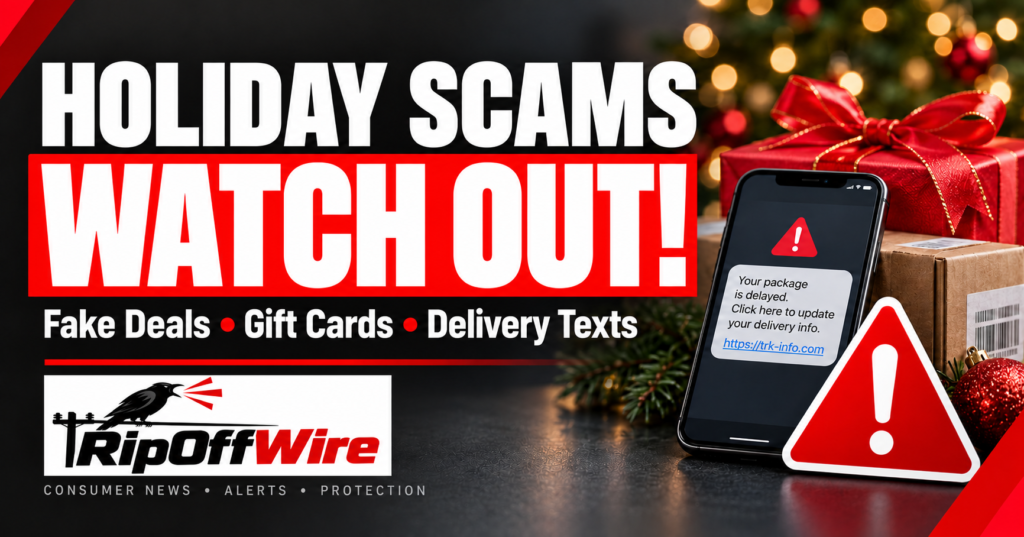
A delivery text arrives while you’re waiting for gifts. A familiar-looking store advertises a steep discount. A recruiter offers quick holiday cash. Each can open the door to theft. Holiday scams target the ordinary transactions consumers make while shopping, traveling and giving, with federal agencies warning about fraudulent storefronts, bogus shipping notices and payment demands designed to separate people from their money. The pressure is part of the pitch: buy now, fix this immediately, send the money before time runs out.
Online Shopping Scams: When the Deal Is Realistic but the Seller Isn’t
1. Fake stores and merchandise that never arrives
The sale looks convincing. The seller takes payment. Nothing arrives.
The FBI identifies non-delivery scams as a recurring holiday threat, alongside auction fraud involving merchandise that sellers misrepresent. Consumers may believe they bought a gift when they have actually sent money to someone with no intention of shipping it.
Before buying from an unfamiliar seller, investigate the business independently. Look beyond the advertisement that brought you there. Check its contact information, return policy and history of customer complaints.
Be especially wary when a seller insists on payment by gift card. The FBI warns that scammers can take the card’s funds and never deliver the purchase.
2. Holiday giveaways that demand money first
An unexpected message promises a free gift card or announces that you won a holiday promotion. Then comes the catch: provide payment details, disclose personal information or pay to collect the prize.
The Office of the Comptroller of the Currency flags unsolicited gift-card offers and promotions requiring payments or personal information as warning signs. Verify any promotion through the company’s official website before responding.
Package Delivery Scams: The Text That Turns a Gift Into a Financial Problem
3. Fake shipping notices and address-correction requests
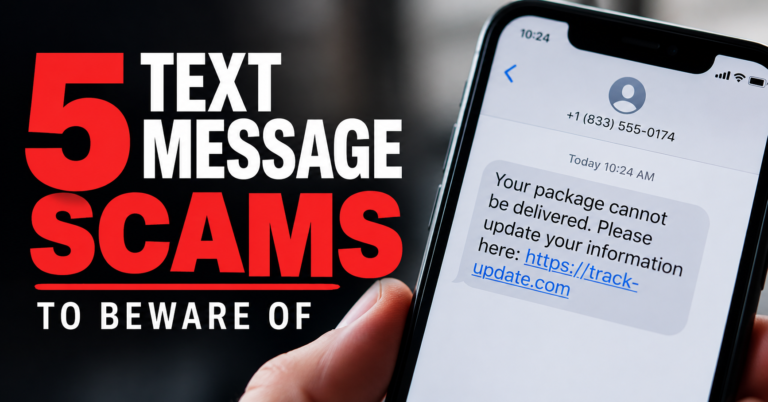
A message says your package cannot be delivered. Follow this link, it urges, to correct the address or resolve a shipping problem.
When you have several orders in transit, that claim can sound plausible. Scammers use fake delivery notifications to draw consumers into sharing payment information or other sensitive details. The FTC advises checking an order’s shipping status through the website where you made the purchase instead of following an unexpected message.
Open the retailer’s app or type the carrier’s address yourself.
The U.S. Postal Inspection Service advises consumers who receive suspicious package texts to avoid the links and visit USPS.com directly. USPS-related scam messages can be reported to [email protected]; suspicious texts can also be forwarded to 7726.
Gift Card Scams: Two Ways Consumers Lose the Balance
4. Someone demands payment using gift card numbers
Gift cards make ordinary presents. They also give scammers a way to collect money.
An impostor may contact you by phone, text, email or social media and direct you to buy cards, then send the numbers and PINs. Once you surrender those details, the scammer can access the funds without holding the physical cards. The FTC warns consumers about this payment demand.
Stop before sharing a code. Independently contact the person or organization the sender claims to represent.
5. A newly purchased gift card has already been compromised
Not every gift-card victim speaks to a scammer.
The FTC warns that thieves can obtain a card’s number and PIN before a customer buys it. The money becomes vulnerable once the customer loads the card. Inspect cards before purchase and reject packaging or security coverings that appear damaged or altered.
Keep the card and purchase receipt. If someone steals the balance—or persuades you to share the codes—contact the issuer immediately and ask whether it can recover the money. The FTC recommends reporting gift-card scams even after payment.
Charity Scams: When a Donation Never Reaches the Cause
6. Phony fundraisers and charity impersonators
Holiday appeals can put an emotional decision in front of consumers before they have checked who is collecting the money.
Federal authorities warn that scammers create fake charities or impersonate charitable organizations to divert donations. The FBI identifies demands for donations through gift cards, virtual currency or wire transfers as warning signs.
Research the organization separately. Find its official website yourself rather than relying on a link in an unsolicited appeal. Confirm that the fundraiser actually represents the organization before paying.
A deadline should not replace verification.
Seasonal Job Scams: The Offer That Costs You Money
7. Fake recruiters collecting personal information
Extra holiday income can make a fast job offer attractive. Scammers exploit that need.
The FTC warns that fraudulent seasonal listings can appear on legitimate employment websites. After offering a supposed job, scammers may request a driver’s license, Social Security number or banking information under the guise of employment paperwork. Those details can expose applicants to identity theft.
Verify the opening through the employer’s official careers page. Contact the company using information you found independently before handing sensitive documents to a recruiter.
8. Equipment checks and requests to send money back
Another scheme begins with an apparent payment.
A supposed employer sends a check and tells the applicant to buy supplies, purchase gift cards or return unused funds. The check later bounces, leaving the applicant responsible for the deposit while the scammer keeps the real money the applicant sent. The FTC specifically warns against these arrangements.
An available bank balance does not prove that a check is genuine. Do not move money on a stranger’s instructions simply because a deposit appears in your account.
Holiday Travel Scams: Paying for a Reservation That Doesn’t Exist
9. Fake vacation rentals and bargain travel packages
A cheap rental can become an expensive mistake before you pack a bag.
The FTC warns that scammers copy photographs and descriptions from legitimate rental listings, replace the contact information and publish their own advertisements. Travelers then communicate with the impostor rather than the property’s actual representative.
Other warning signs include prices far below comparable properties and pressure to book immediately. The FTC advises consumers to walk away from travel offers that demand an instant decision.
Verify the property and booking provider independently. For flights and hotels, contact the airline or hotel through its official channels to check reservation details.
What to Do If Holiday Scams Hit Your Wallet
Act quickly. Save the evidence.
Contact your bank, card issuer or payment provider, explain what happened and ask what recovery or dispute options are available. Preserve receipts, order confirmations, messages, seller profiles and transaction details. Report the account or advertisement to the marketplace where you encountered it. Federal guidance also recommends notifying financial institutions and reporting suspected fraud to the appropriate authorities.
Consumers can report suspected fraud through the Federal Trade Commission at ReportFraud.ftc.gov and internet-related crime through the FBI’s Internet Crime Complaint Center at IC3.gov.
You may also share your firsthand experience through a consumer complaint on RipOffWire. Describe the transaction, what the seller promised, what happened and how the business responded. Keep account numbers, passwords and other sensitive information out of public submissions. A public complaint serves a different purpose from contacting your financial institution or filing an official fraud report.
As holiday purchases and messages arrive, treat any unexpected demand for money or personal information as a reason to pause. Verify it through a channel you choose—before the sender chooses where your money goes.